
We’ve focused for several months on self defense for the elderly, for blind people, and the deaf. I’d like to move next to another ‘vulnerable’ group of people – paraplegics.
Teaching Paraplegics
Paraplegia is the symptom of paralysis that mainly affects your legs (though it can sometimes affect your lower body and some of your arm abilities, too). This usually happens because of injuries to your nervous system, especially your spinal cord, but it can also happen with various medical conditions and diseases. Cleveland Clinic
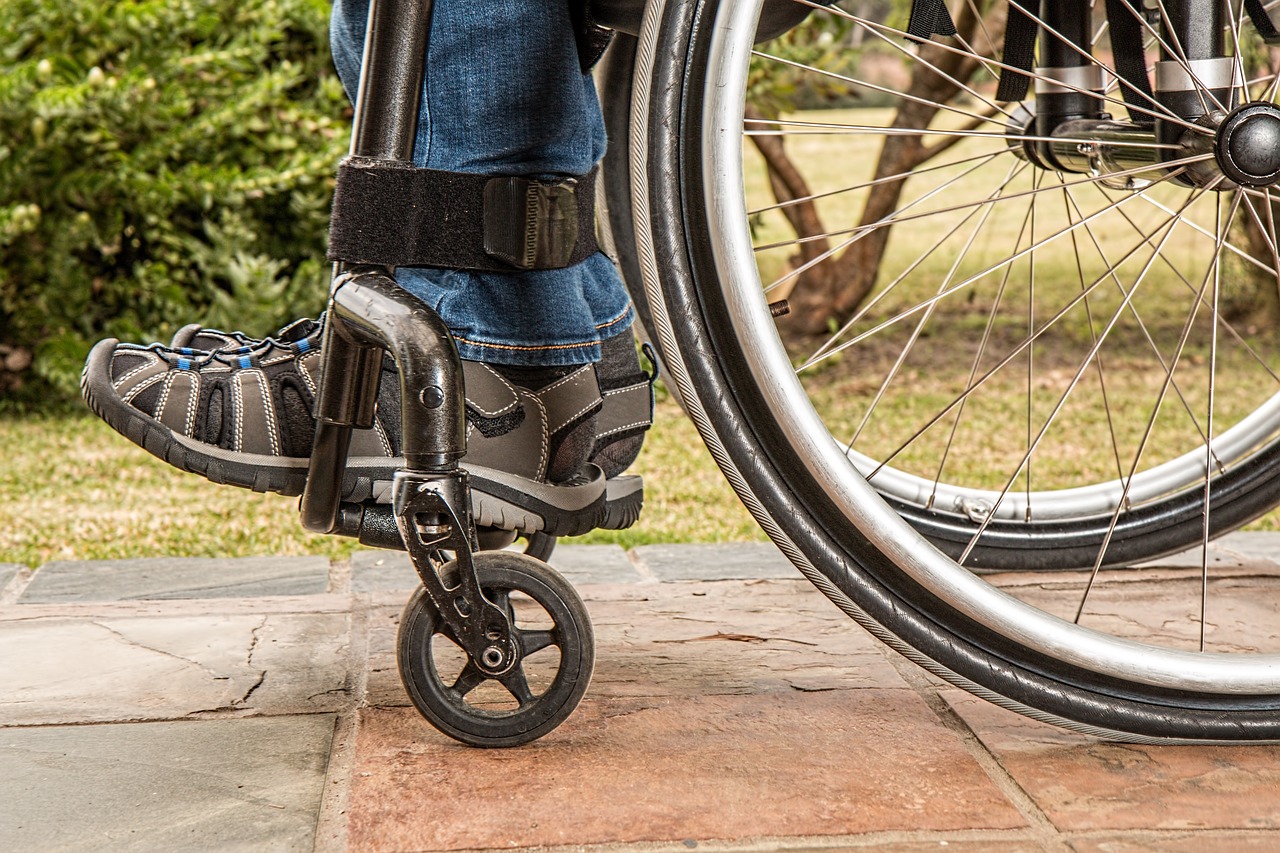
Paraplegics can learn and even excel at martial arts and self defense. The key for the teacher and student is to communicate honestly about how to turn a ‘vulnerability’ into an ‘opportunity.’
Some paraplegics come to self defense believing there’s not much they can do if they were attacked. Some paraplegics believe there are things they can do to defend themselves, but need help to select the best methods depending on their particular situation. Some are military veterans who already have self-defense skills that they can use successfully.
One key important to all ‘vulnerable’ groups is mental training. Rather than see themselves as ‘victims, they need to ‘believe’ they have defensive tools available to them so they can defend themselves effectively against attacks.
Awareness
Training begins with ‘360 awareness.’ That’s the same training I use for all martial arts students. Why? Because it works. ‘Be Aware and Beware.’ I teach paraplegics to be aware of their surroundings. That’s basic for all people. If a paraplegic senses they may be in physical danger, they can retreat to a safe location if possible. If not, they can decide whether to take a defensive position or go on offense – depending on which choice works better for their situation.
Paraplegics are people and all people should be careful of isolated places or areas with poor visibility. You are safer when close to other people (who mean you no harm) and where you have a good field of vision. I also emphasize the ‘buddy system’ where you are with one or more friends when going out, especially into areas where there could be an attack.
Avoidance
Another aspect of self defense is what I call ‘avoidance.’ It may mean avoiding a particular location because of some dangerous aspect or because of the time of day (e.g. nighttime). Another type of ‘avoidance’ is what we call ‘de-escalation.’ That’s the process of de-escalating through a process of talking down a potential threat to keep it from becoming a physical attack.
Don’t turn your back on an attacker unless you are only feet away from safety. An attacker can catch you from behind and hit you in the head, or choke or strangle you. If you can’t escape, face your attacker and make strong eye contact. Yell. Get attention from people who may be nearby. If your attacker tries to get around you, use your skill with your wheel chair to continually turn to face him. Don’t try to attack by moving forward and don’t try to back away unless you know what’s behind you. If you fall off your wheelchair, the attack and your response to it goes to the ground. That’s where Jujutsu and other ground defense training becomes most helpful.
Abilities
Many people use the term ‘dis-ability’ when describing paraplegics. I prefer focusing on their ‘abilities.’ Paraplegics I’ve had the privilege of training developed strong arms and upper body. They can use the strength in their fingers, hands, forearms, biceps, shoulders, chest, and back to defeat opponents who underestimate a paraplegic’s ‘ability’ to defend themselves against attack.
Karate, Jujutsu, Krav Maga, and Kung Fu work well for paraplegics (as for others as well). It’s simply a matter of instructors understanding how to use their art to the student’s advantage. Some instructors call this ‘adaptive’ martial arts. The person under attack ‘adapts’ to the situation and steals the strength from the person attacking.
For example, if a paraplegic is in a wheelchair, that wheelchair can become a powerful self-defense weapon. A block, grab, and pull can quickly bring an attacker’s head or face into the metal arms or legs of the wheelchair. If that is not enough to knock them unconscious, the paraplegic can quickly take control of the attacker’s body (e.g. hand, wrist, elbow, head, neck, etc) and use whatever force necessary to bring the attack to an end. [video examples at the end of this article]
The paraplegics I’ve trained moved quickly and fluidly in turning, stopping, starting, etc. I showed them how they could use their ‘naturalized’ ability maneuvering the chair to either escape to safety, knock down the attacker, or block the attack, grab the attacker’s body, and quickly move their chair forward, backward, or in a spinning motion to end the attack.
If you can stay seated in your chair, you can use your hands and elbows .. even your head to smash the attacker’s nose. Head butting techniques are somewhat specialized (e.g. front of your head, side of your head), so be sure to get training so you don’t knock yourself out or damage your face.
I also teach something called ‘Five Apple Defense.’ That’s a self-defense response to the eyes (eye apples), throat (Adam’s apple), and groin (life apples). A paraplegic can use his or her fingers, palms, hands, forearms, and elbow to effectively defend in these areas.
Attachments
Attachments are those things you have on you or near you. Some paraplegics carry a stun gun, taser, pepper spray, or even a firearm (where legal and with a carry permit). I had one paraplegic student who became proficient with nunchaku and kept a pair with him at all times. He lived in a state where carrying nunchaku was legal. Because he kept them on his chair next to his leg, in plain view, he did not need a special ‘carry’ permit. He eventually earned a Brown Belt in Yon Ch’uan Martial Arts and was one of my better students through the years.
Some paraplegics wear devices like ‘Life Alert’ to notify authorities when they’re in trouble. Some have apps on their mobile phones (like Noonlight) to notify authorities. While that’s good to have with you, keep in mind that the ‘lag time’ between when you notify authorities and they show up to help you. I still recommend some type of martial arts training for them even if they want to use notification devices.
__________________________
Videos
Here are some videos of paraplegics demonstrating their martial arts skills. These will give you some idea of how good training and hard work can lead to great results.
Martial Arts for the Disabled (start at :34 into video)
Paralysed War-Hero Becomes Martial Arts Pro
Paraplegics Learn Martial Arts
Paraplegic Self-Defense #2: Striking Drills
Some Para Ground Game. Martial Arts
Paraplegic Self-Defense #3: Stopping the Ground and Pound
[Join our Grace Martial Arts Facebook Community!]
© Grace Martial Arts 1990 – 2025

 Grace Martial Arts